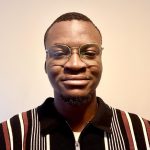
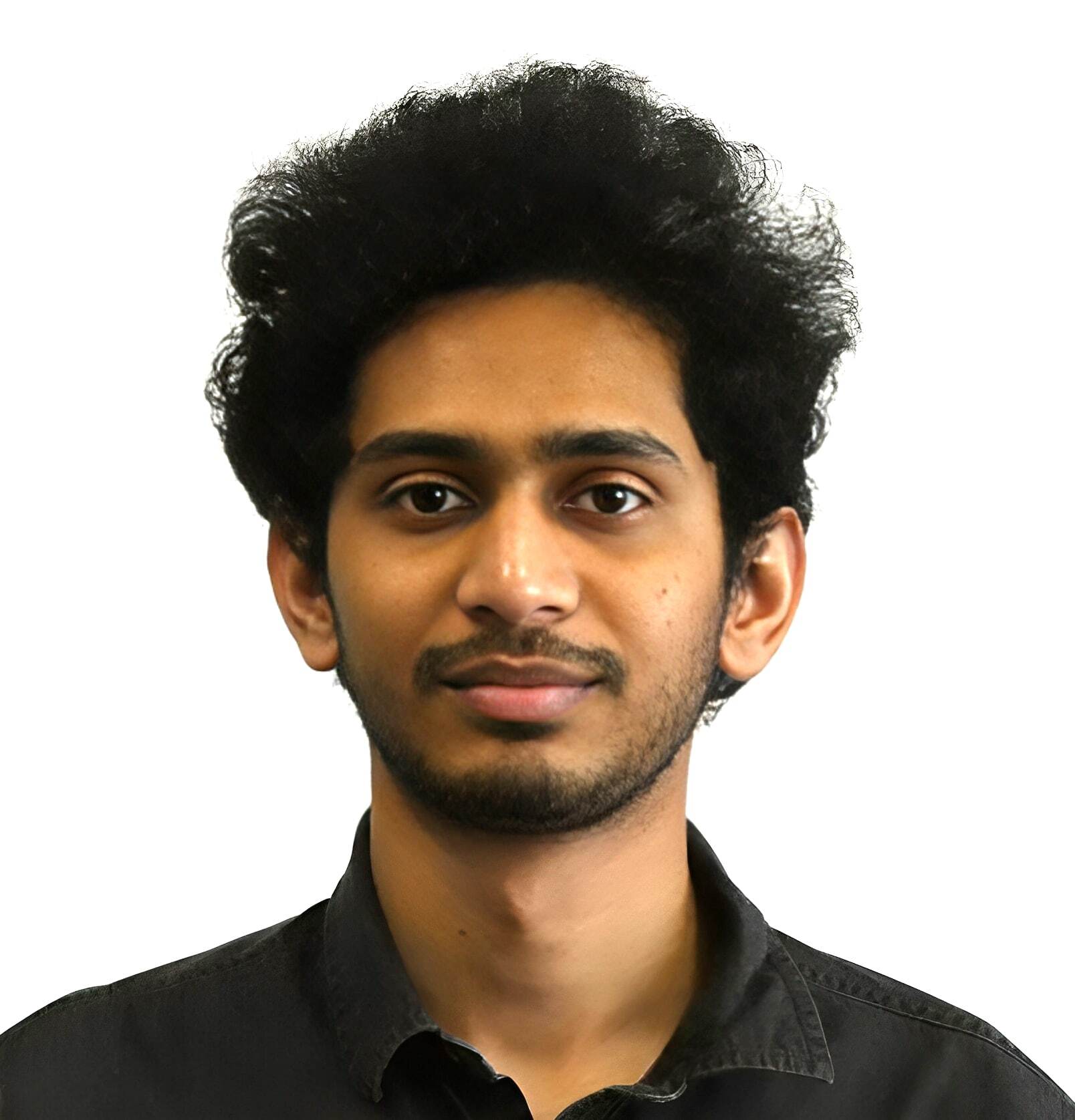
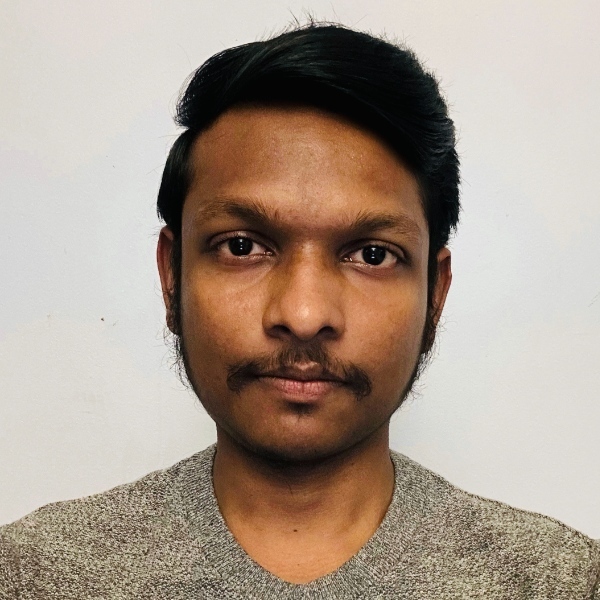
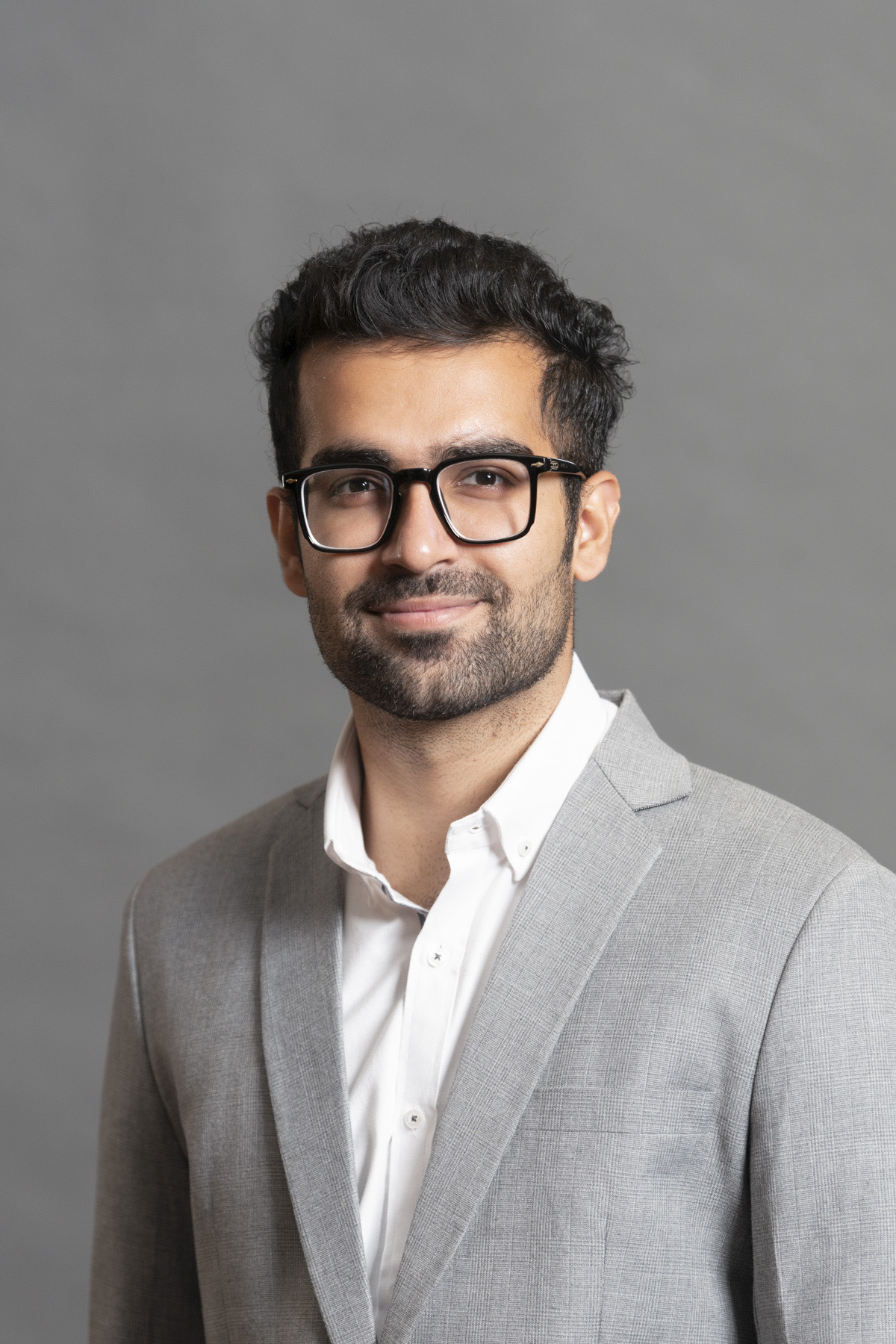
Femi Alayesanmi is a Master’s student in Information Science at the University of Arkansas at Little Rock and a Graduate Research Assistant at the COSMOS Research Center. With over 7 years of experience in software engineering in the financial technology sector, Femi has built high-scale open banking and AI-powered identity verification infrastructure for enterprise businesses.
At COSMOS, he focuses on the intersection of AI and social computing. He leverages his expertise in Software Engineering, MLOps, and Cloud Architecture to implement and conduct research on AI-driven systems.
I’m currently a Graduate Research Assistant and a full-stack developer at COSMOS Research Lab, where I help design, develop, and test systems. I have a solid background in backend development, particularly with Java and Spring Boot, and I also work on frontend integration. I really like connecting the dots between theory and practice in software engineering. My research interests span across distributed systems, data science, and machine learning. I’m always eager to learn more, and I love exploring new technologies to come up with creative solutions in both academic and real-world settings.
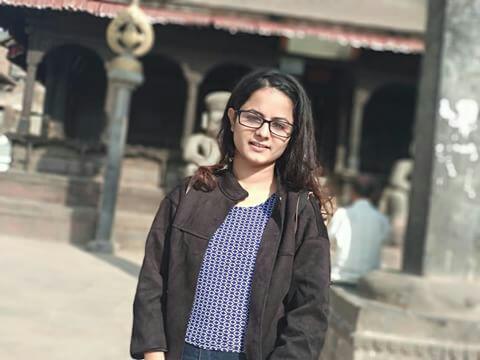
Bishwa, originally from Nepal, is a Masters Student of Information Science at UA Little Rock. His professional journey began as a full-time lecturer, delivering core concepts on various technical subjects ranging from C – Programming, Embedded Systems, Microprocessor Architecture, Electromagnetism and Computer Organization and Architecture in multiple departments of Computer Science and Engineering. At COSMOS, he contributes to research in multiple projects as an AI/ML researcher. Beyond academics, he enjoys sports, travels and hikes.
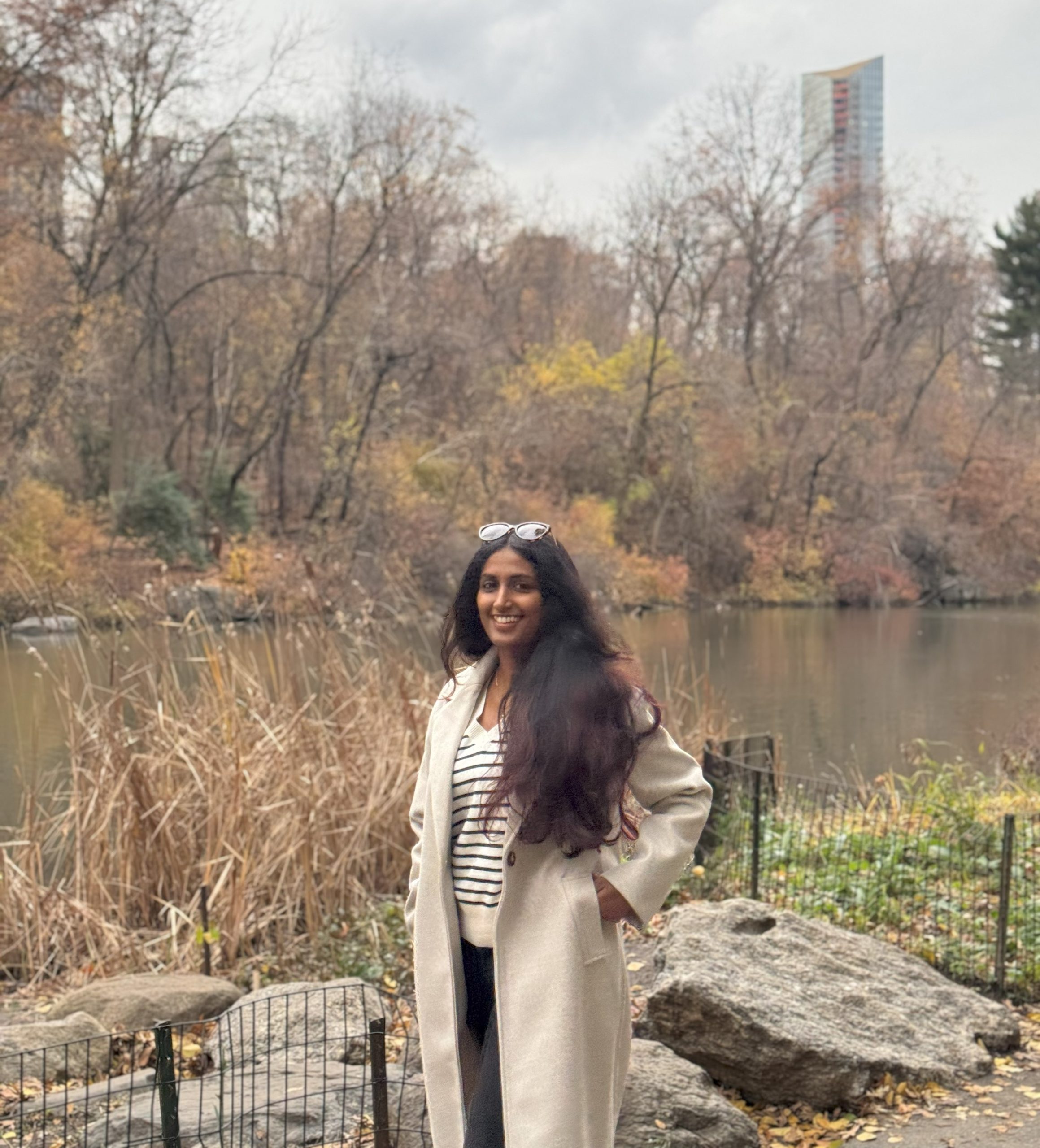
Atharvaa Rane is a Data Engineer at the COSMOS Research Center, University of Arkansas at Little Rock. She specializes in designing and maintaining data pipelines, building scalable systems for social media analytics, and applying machine learning techniques to support socio-computational research. Her previous work spans multiple domains, including healthcare analytics (cleaning and integrating complex EHR datasets to support chronic disease prediction), fraud detection (real-time ETL pipelines and anomaly detection), and full-stack development (building dashboards and applications using React, Node.js, and Python). Atharvaa also has hands-on experience with cloud technologies, containerization, and CI/CD pipelines, enabling efficient and reproducible research workflows. At COSMOS, Atharvaa contributes to projects involving narrative diffusion tracking, misinformation detection, and socio-computational modeling, where she leverages her technical expertise to transform large-scale, messy data into actionable insights for researchers and partners. Outside of research, Atharvaa enjoys exploring new technologies, experimenting with machine learning projects, and traveling to discover new food and cultural experiences.
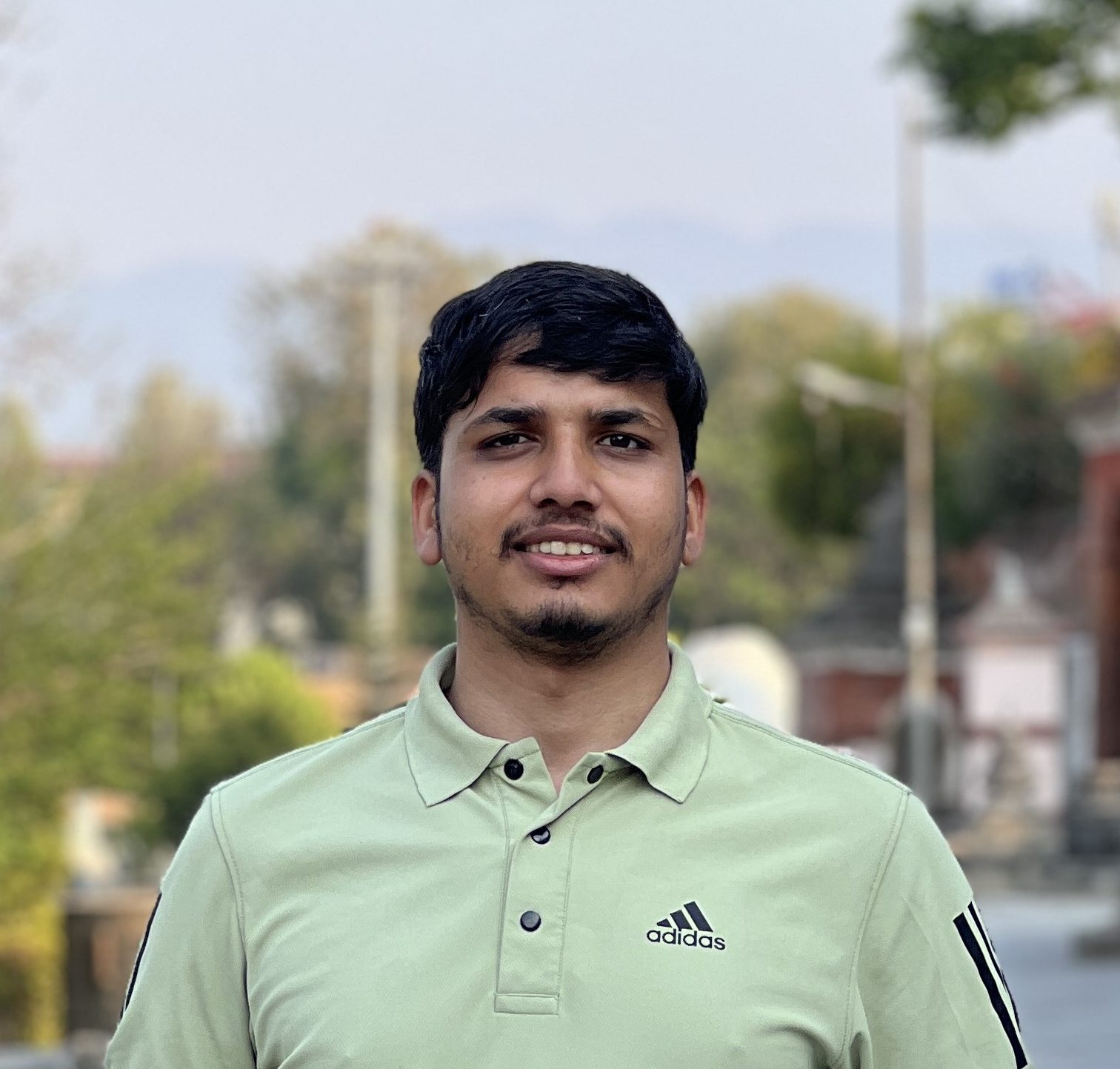
Bhushan Shelke is a skilled Data Engineer with a Master’s degree in Applied Data Science. With extensive experience in automating ETL pipelines using Python and R, developing complex SQL queries, and building predictive models, Bhushan excels at transforming raw, unstructured data into valuable insights. His focus is not only on ensuring data quality and cleanliness but also on making it easily interpretable and accessible for decision-making purposes.
Praveen Raj Uma Maheswari Shyam Sundar is an AI systems engineer and entrepreneur with experience in cloud-native infrastructure, embedded hardware, and data engineering. He earned his Master of Science in Electrical Engineering from the University of Pennsylvania. Praveen has founded ventures including TriZ and LearnChain, building platforms that integrate AI for enterprise learning, training, documentation and automation. Originally from Chennai, India, he is passionate about designing intelligent systems that bridge research and real-world impact. Outside of work, he enjoys drives, experimenting with new South-Indian recipes, and exploring product design as both a craft and a creative outlet.
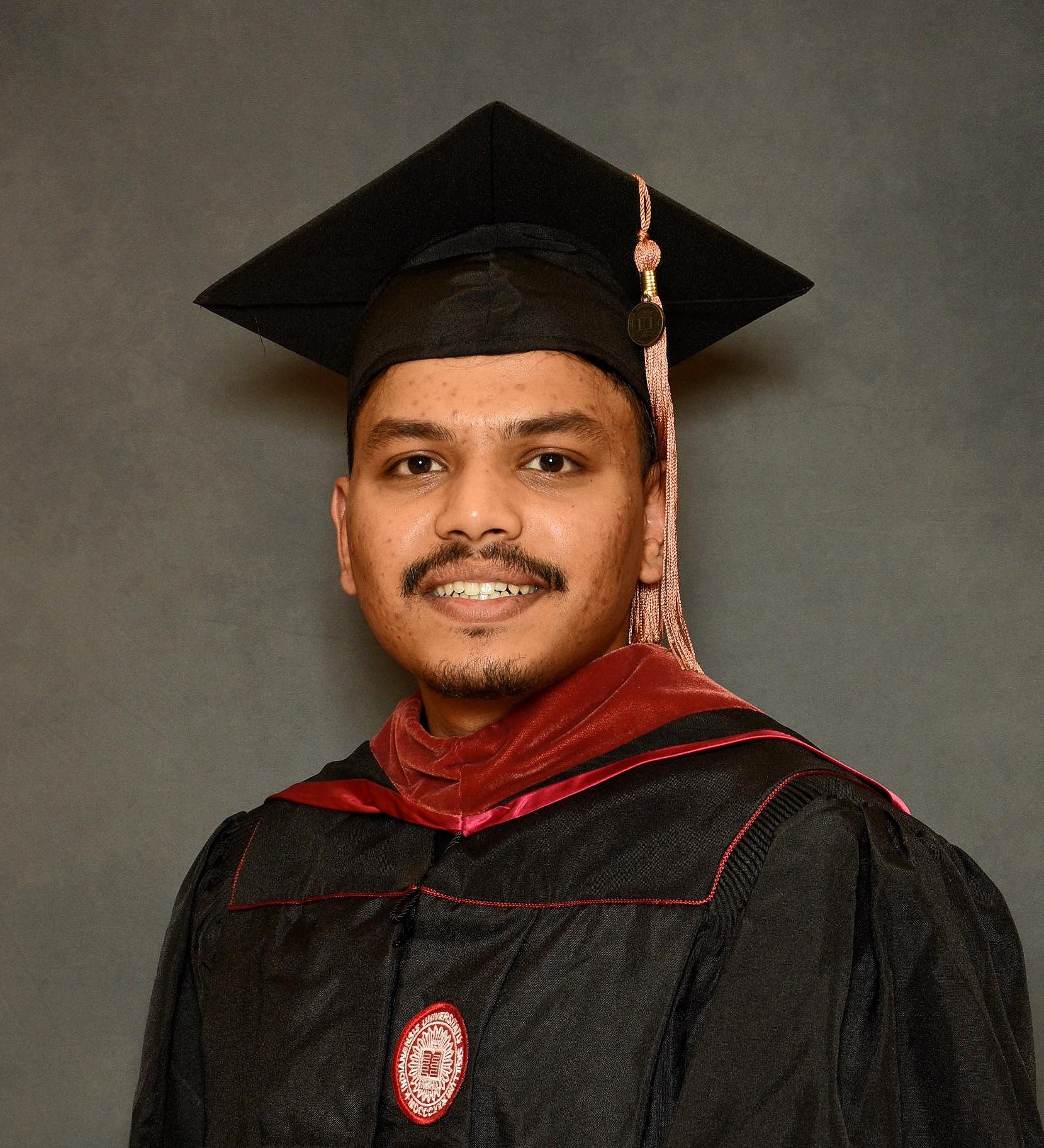
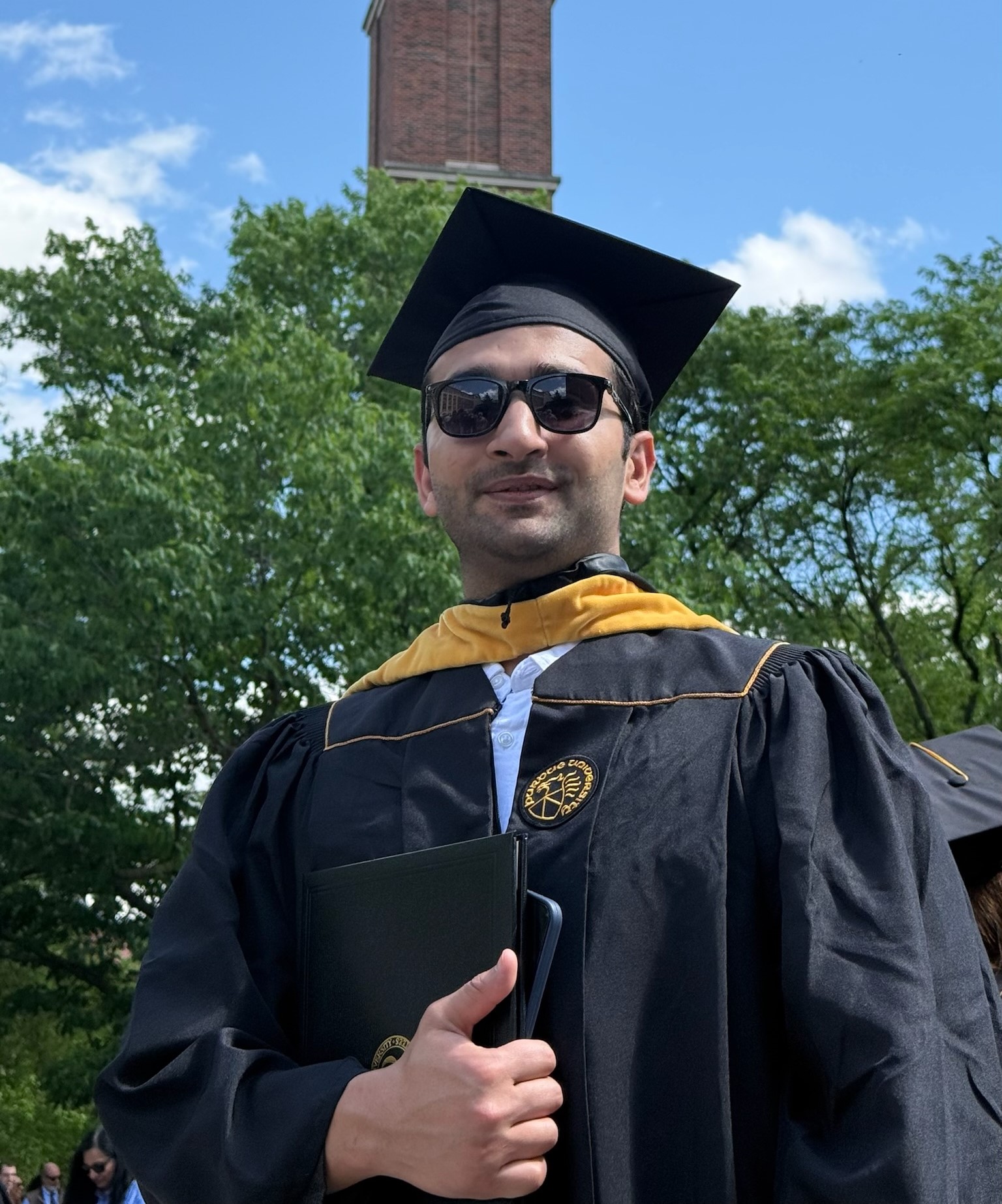
Hassam Khan is a Data Engineer at COSMOS. He holds a Master’s degree in Computer Science from Purdue University Indianapolis, United States, and has over five years of experience in the IT domain, specializing in data management, microservices, and cloud technologies. He has a strong passion for working with large-scale data. Outside of his professional interests, he enjoys playing outdoor sports and hiking.
Dinesh Ramadugu is a Data Engineer at the COSMOS Research Center, where he focuses on developing reliable data systems. A native of India, he earned his Master of Science in Computer Science from Fitchburg State University in Massachusetts. Dinesh is known for his dedication to data engineering and his passion for building efficient data infrastructure. In his personal time, he enjoys traveling, embracing new adventures, and discovering diverse cuisines from around the world.
Nittesh Kumar is a data professional with experience in data engineering, data science, and test automation. He recently earned his Master of Science in Information Systems from the University of Maryland, College Park. Nittesh has built scalable ETL pipelines, developed algorithmic trading models using live financial data, and automated dashboards to support executive decision-making. Originally from Pakistan, he is passionate about using data to solve real-world problems. Outside of work, he enjoys reading, playing outdoor sports, and traveling.
The Hawaii International Conference on System Sciences (HICSS) is an annual event that has been convening since 1968, providing a collaborative platform for scholars and professionals in information systems and technology from over 60 countries. The conference aims to facilitate the exchange of ideas and the presentation of peer-reviewed research across various domains, including information, computer, and system sciences.
From January 7 to 10, 2025, the 58th HICSS conference was held at Hilton Waikoloa Village, Big Island, Hawaii. The conference encompassed a wide array of tracks and minitracks that addressed contemporary topics. For instance, the “Platforms and Ecosystems: New Perspectives in the Era of Data, Analytics, and AI” minitrack invited investigations into the intersection of platforms and ecosystems with data, analytics, and artificial intelligence. Another minitrack focused on the critical intersection of software usability, sustainability, and reproducibility.
This year COSMOS presented 5 papers at the conference that were published in the proceedings available here. Several cosmographers traveled to the conference with Prof. Nitin Agarwal to present their research. The following is a list of papers from cosmographers that were published in the conference:
A Comparative Evaluation of the SIR and SEIZ Epidemiological Models to Describe the Diffusion Characteristics of COVID-19 Polarizing Viewpoints on Online Social Networks
Analyzing TikTok’s Role in Mobilizing Dynamics for Information Campaigns during Taiwan’s 2024 Elections
How does Semiotics Influence Social Media Engagement in Information Campaigns?
The Amplifiers of Dissent: Examining Influence of Key Users and Content Modality on Collective Actions
Unpacking Algorithmic Bias in YouTube Shorts by Analyzing Thumbnails
Subsequent editions of our newsletter will share findings from these studies.