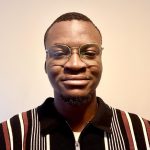
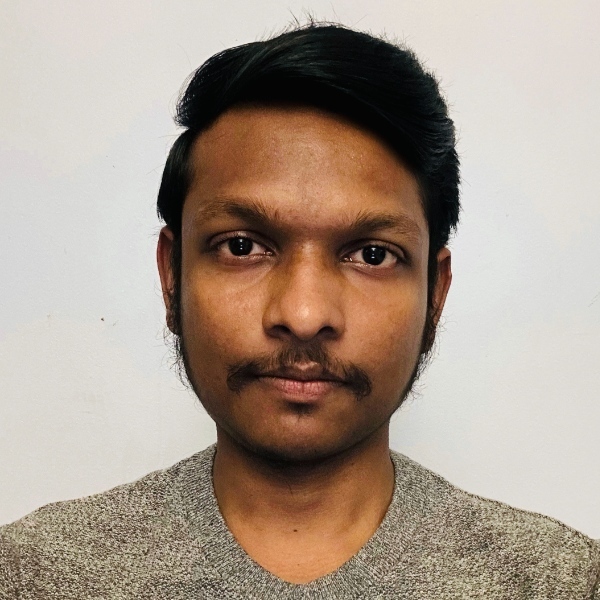
Femi Alayesanmi is a Master’s student in Information Science at the University of Arkansas at Little Rock and a Graduate Research Assistant at the COSMOS Research Center. With over 7 years of experience in software engineering in the financial technology sector, Femi has built high-scale open banking and AI-powered identity verification infrastructure for enterprise businesses.
At COSMOS, he focuses on the intersection of AI and social computing. He leverages his expertise in Software Engineering, MLOps, and Cloud Architecture to implement and conduct research on AI-driven systems.
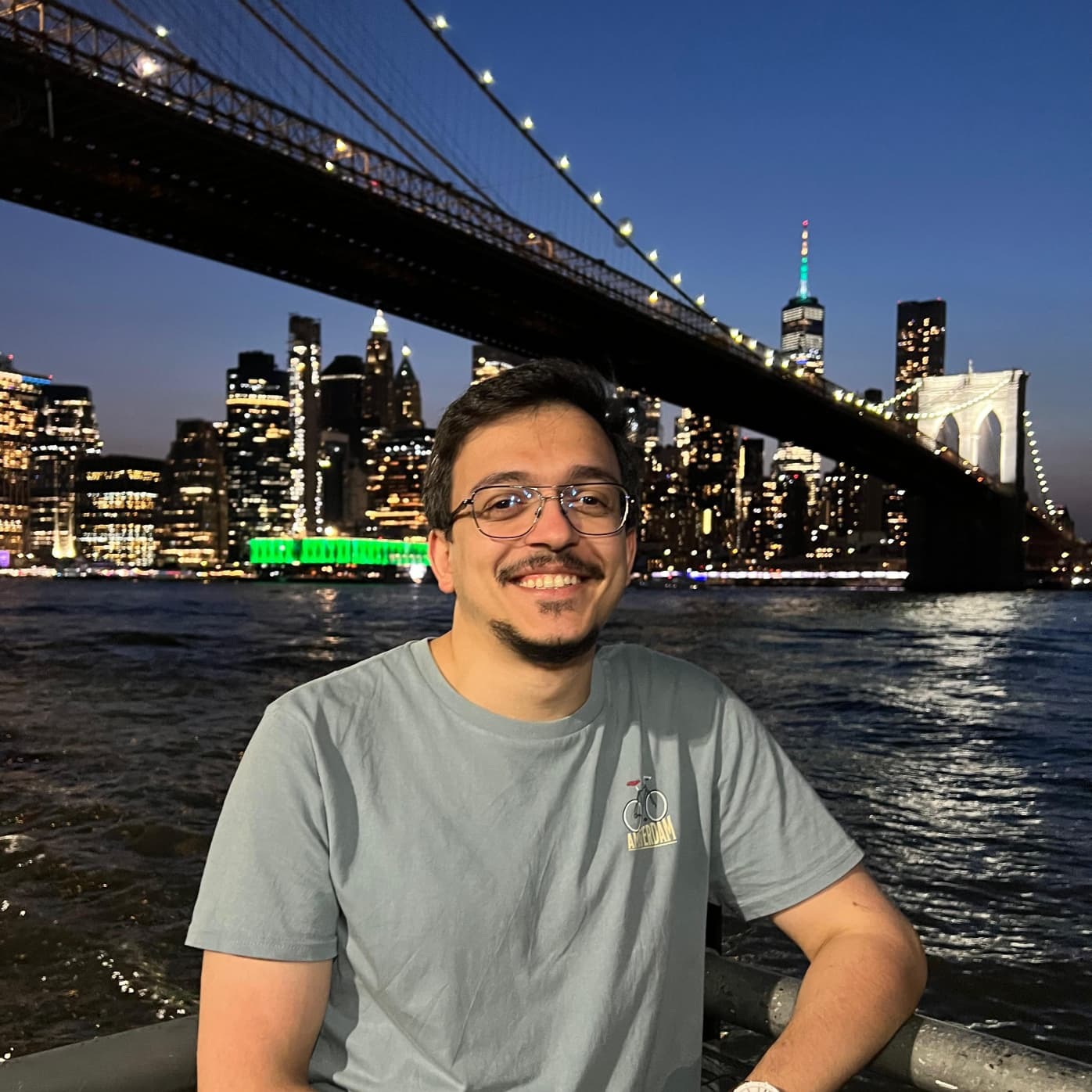
Hakan is a Ph.D. student in Computer and Information Science at the University of Arkansas at Little Rock. With a strong foundation in Artificial Intelligence and Data Engineering, his academic path has combined research with applied practice. He has contributed to the Turkish NLP community through dataset curation projects for underrepresented languages and broadened his expertise as a Machine Learning Engineer intern in Berlin under the Erasmus+ Traineeship program. His research interests span social computing, agent-based large language models, and computer vision. Beyond research, Hakan is passionate about music and enjoys exploring the creative intersections between technology and art.
I’m currently a Graduate Research Assistant and a full-stack developer at COSMOS Research Lab, where I help design, develop, and test systems. I have a solid background in backend development, particularly with Java and Spring Boot, and I also work on frontend integration. I really like connecting the dots between theory and practice in software engineering. My research interests span across distributed systems, data science, and machine learning. I’m always eager to learn more, and I love exploring new technologies to come up with creative solutions in both academic and real-world settings.
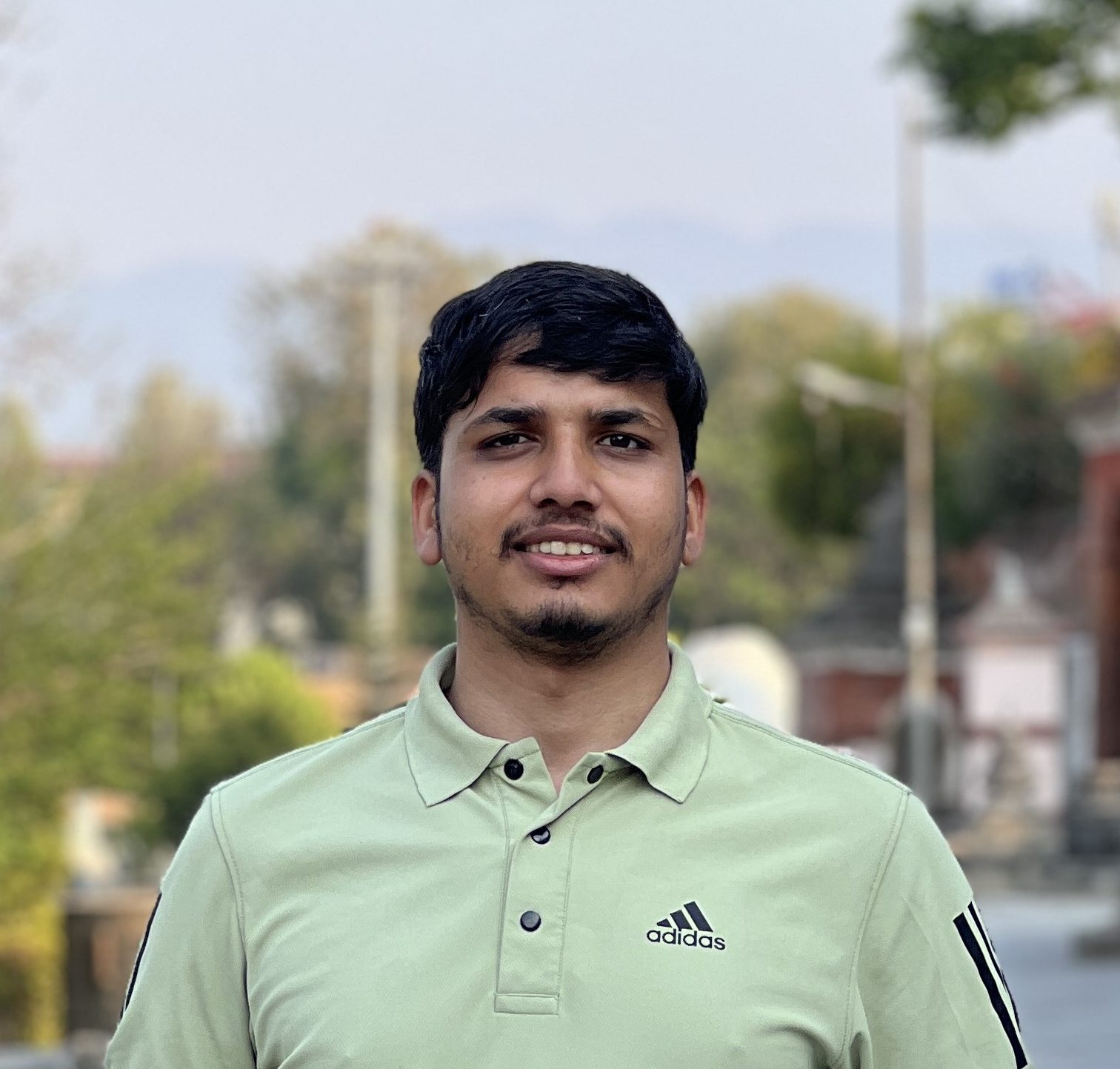
Bishwa, originally from Nepal, is a Masters Student of Information Science at UA Little Rock. His professional journey began as a full-time lecturer, delivering core concepts on various technical subjects ranging from C – Programming, Embedded Systems, Microprocessor Architecture, Electromagnetism and Computer Organization and Architecture in multiple departments of Computer Science and Engineering. At COSMOS, he contributes to research in multiple projects as an AI/ML researcher. Beyond academics, he enjoys sports, travels and hikes.
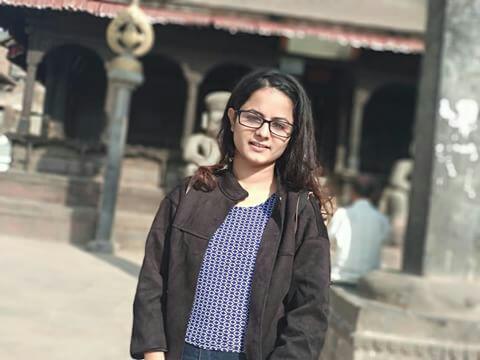
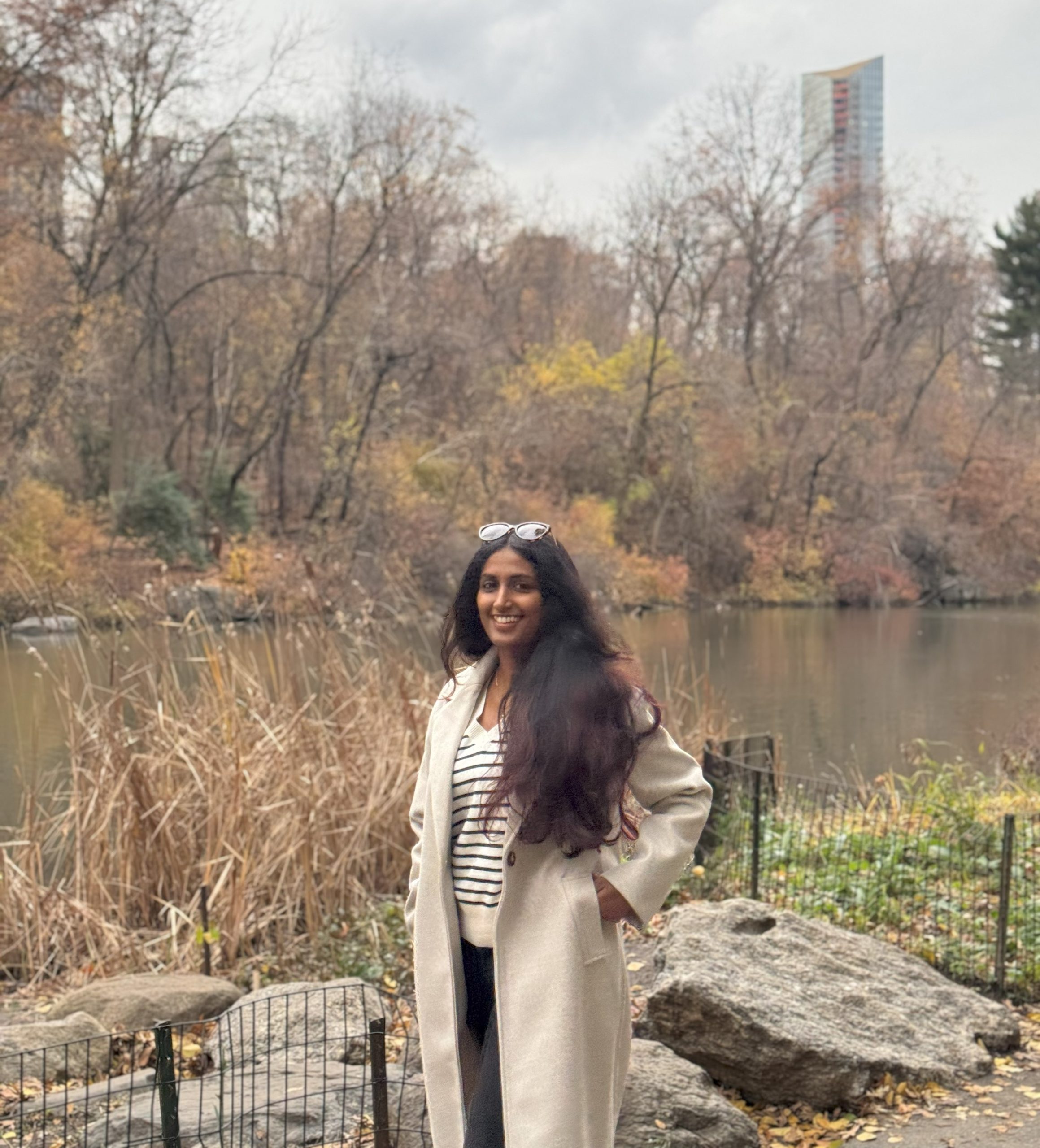
Atharvaa Rane is a Data Engineer at the COSMOS Research Center, University of Arkansas at Little Rock. She specializes in designing and maintaining data pipelines, building scalable systems for social media analytics, and applying machine learning techniques to support socio-computational research. Her previous work spans multiple domains, including healthcare analytics (cleaning and integrating complex EHR datasets to support chronic disease prediction), fraud detection (real-time ETL pipelines and anomaly detection), and full-stack development (building dashboards and applications using React, Node.js, and Python). Atharvaa also has hands-on experience with cloud technologies, containerization, and CI/CD pipelines, enabling efficient and reproducible research workflows. At COSMOS, Atharvaa contributes to projects involving narrative diffusion tracking, misinformation detection, and socio-computational modeling, where she leverages her technical expertise to transform large-scale, messy data into actionable insights for researchers and partners. Outside of research, Atharvaa enjoys exploring new technologies, experimenting with machine learning projects, and traveling to discover new food and cultural experiences.
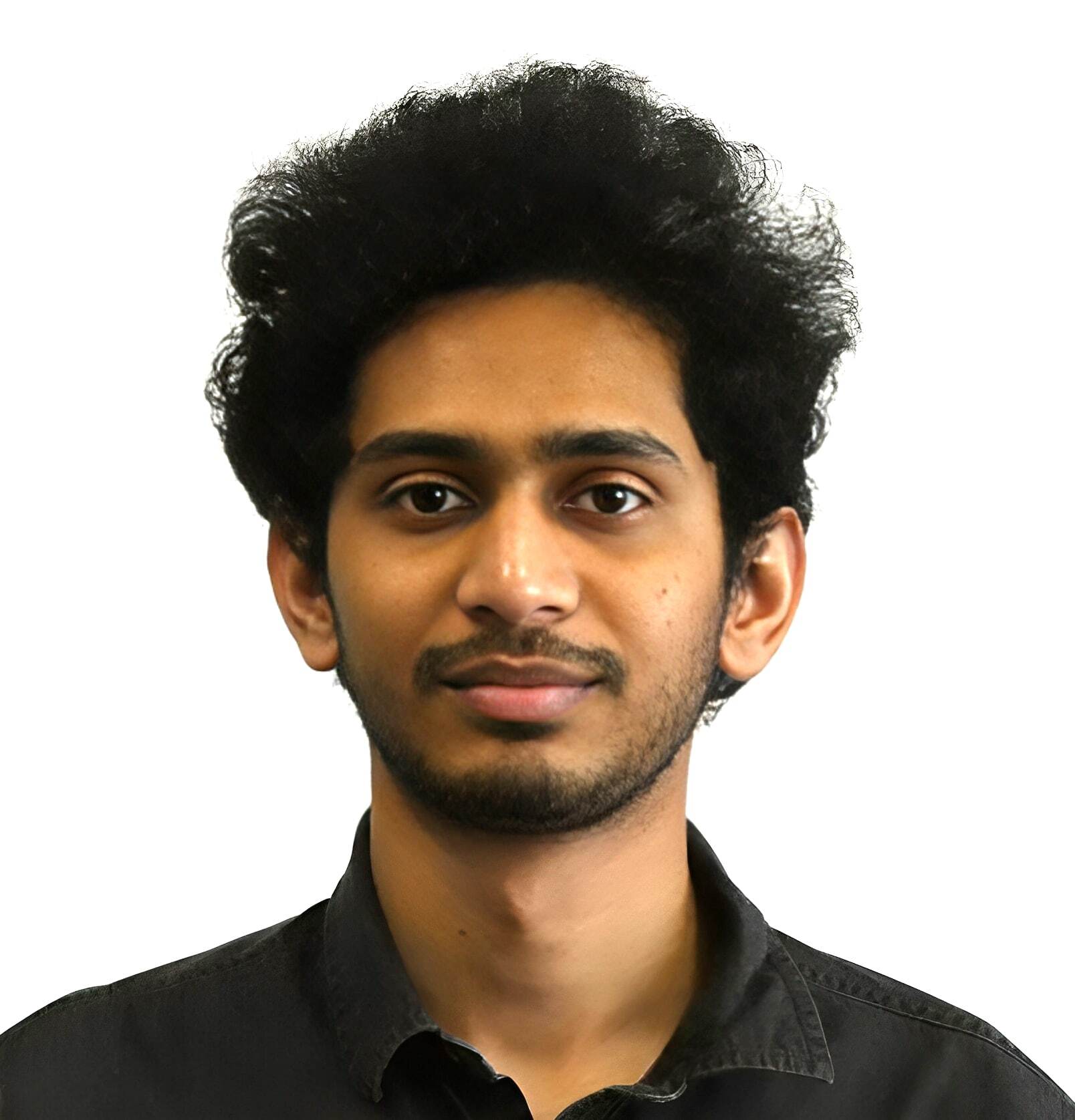
Bhushan Shelke is a skilled Data Engineer with a Master’s degree in Applied Data Science. With extensive experience in automating ETL pipelines using Python and R, developing complex SQL queries, and building predictive models, Bhushan excels at transforming raw, unstructured data into valuable insights. His focus is not only on ensuring data quality and cleanliness but also on making it easily interpretable and accessible for decision-making purposes.
Praveen Raj Uma Maheswari Shyam Sundar is an AI systems engineer and entrepreneur with experience in cloud-native infrastructure, embedded hardware, and data engineering. He earned his Master of Science in Electrical Engineering from the University of Pennsylvania. Praveen has founded ventures including TriZ and LearnChain, building platforms that integrate AI for enterprise learning, training, documentation and automation. Originally from Chennai, India, he is passionate about designing intelligent systems that bridge research and real-world impact. Outside of work, he enjoys drives, experimenting with new South-Indian recipes, and exploring product design as both a craft and a creative outlet.
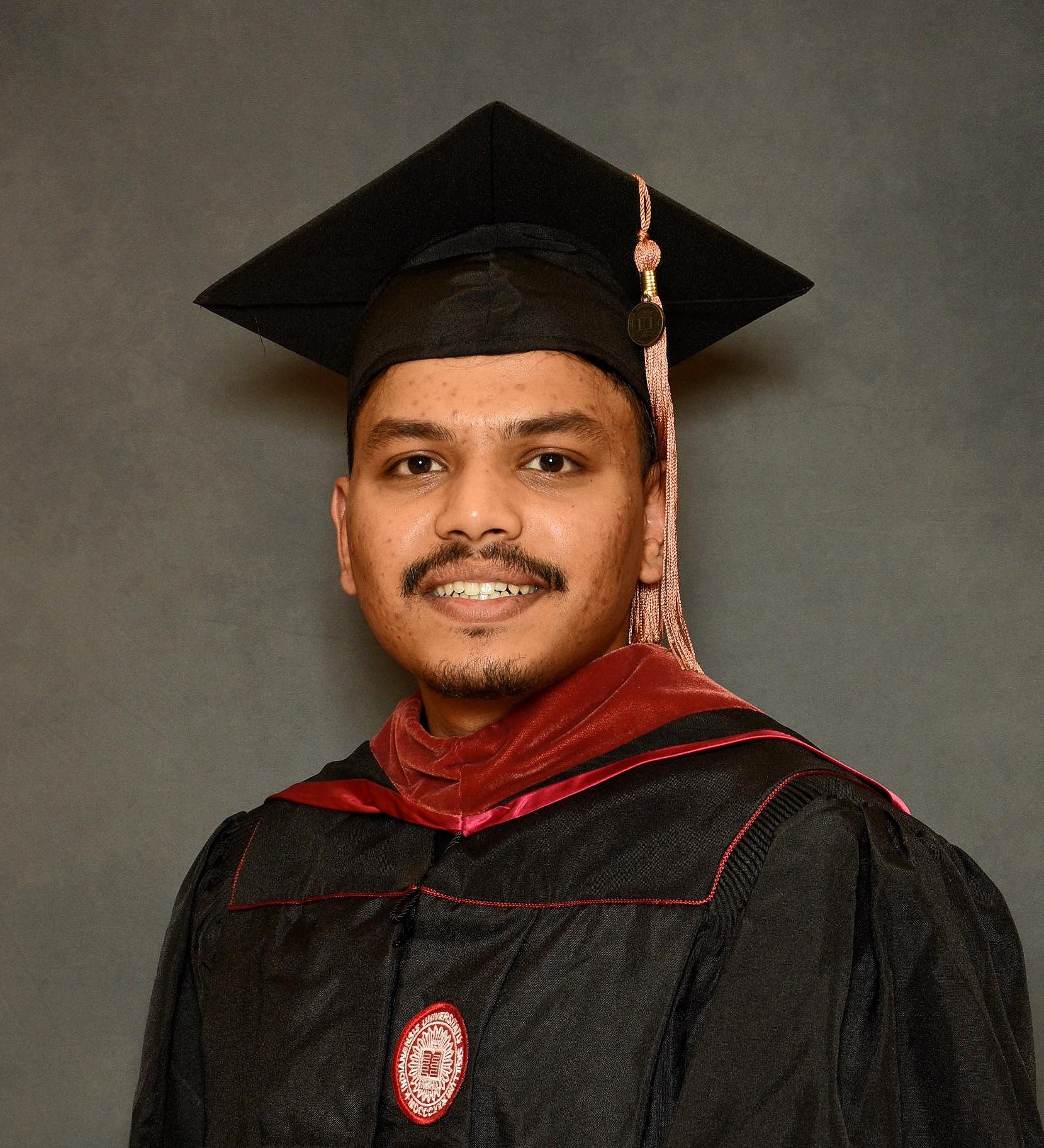
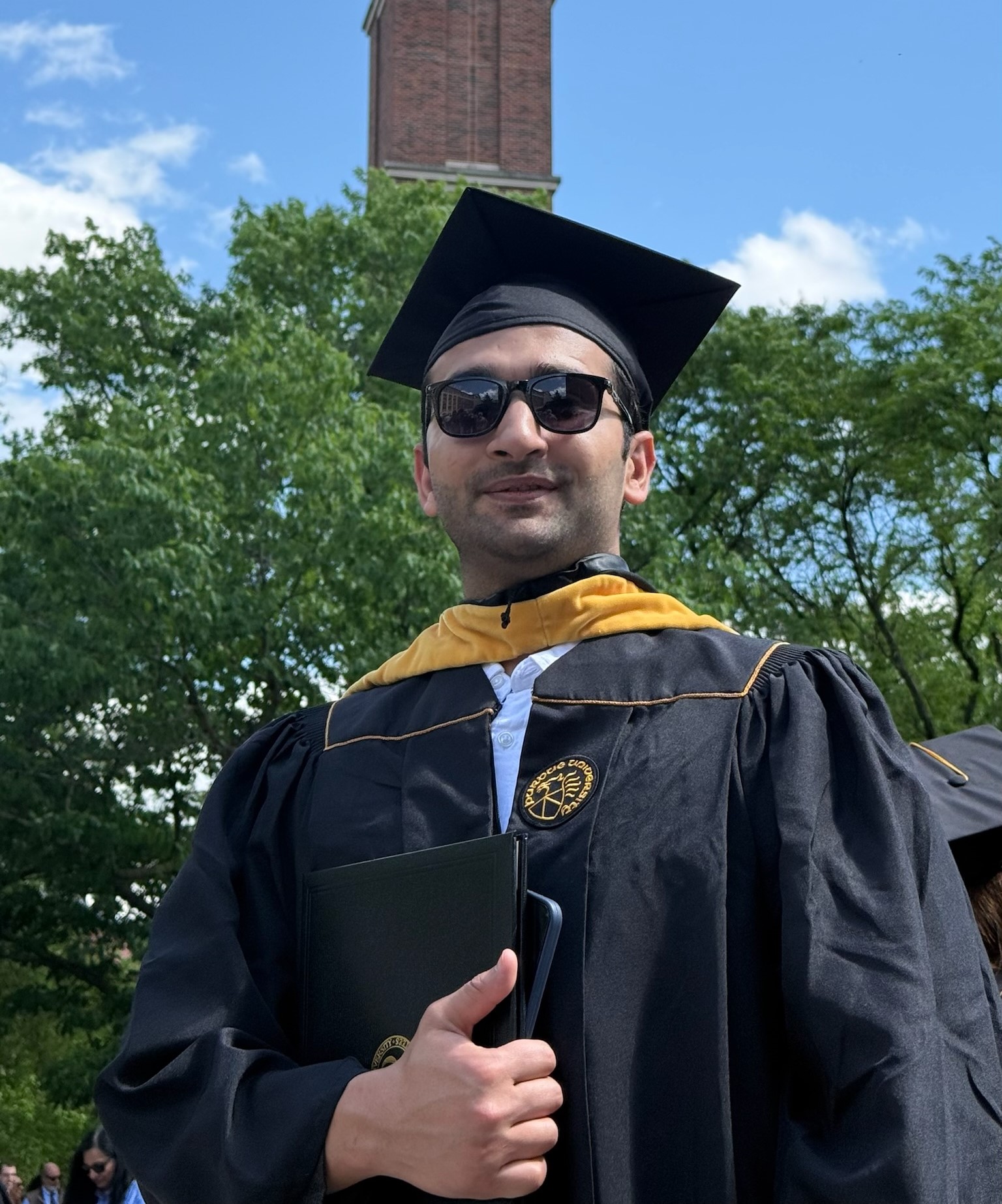
Hassam Khan is a Data Engineer at COSMOS. He holds a Master’s degree in Computer Science from Purdue University Indianapolis, United States, and has over five years of experience in the IT domain, specializing in data management, microservices, and cloud technologies. He has a strong passion for working with large-scale data. Outside of his professional interests, he enjoys playing outdoor sports and hiking.
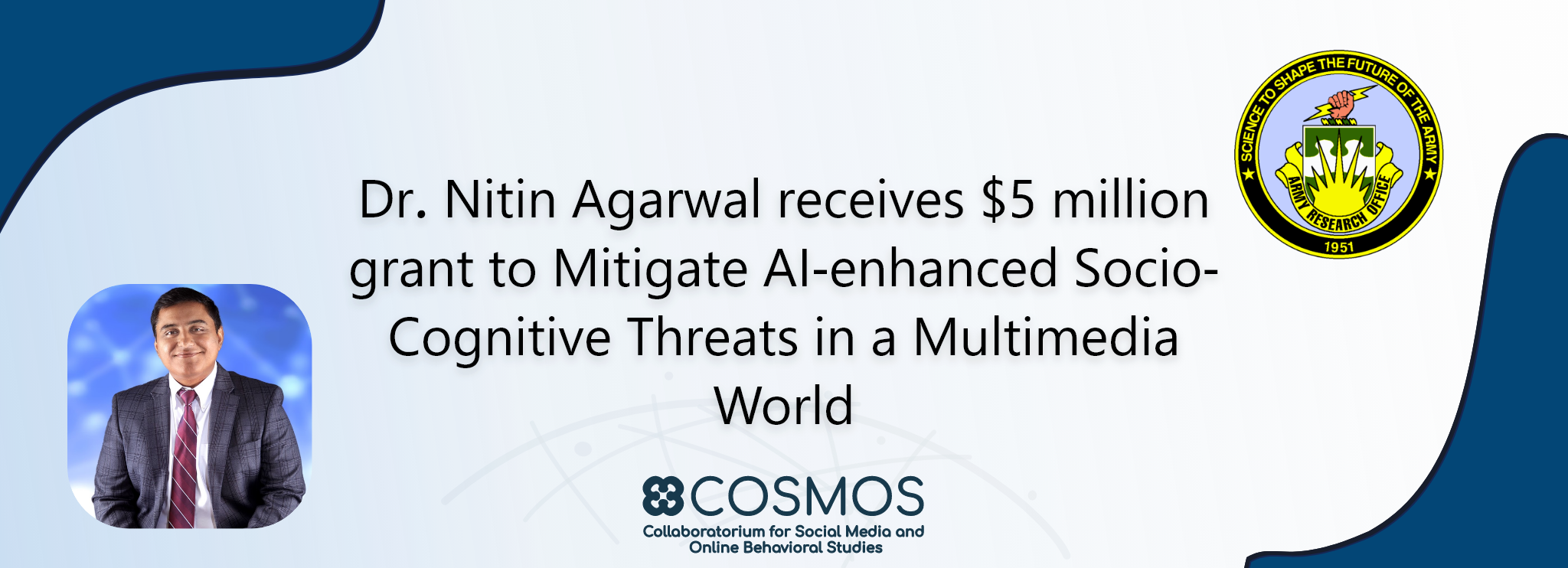
Dr. Nitin Agarwal, Maulden-Entergy Chair and Donaghey Distinguished Professor of Information Science at the University of Arkansas at Little Rock, has received a $5 million award to research and develop strategies to evaluate and defend against coordinated cognitive threats.
The award will fund research anddevelopment of artificial intelligence (AI)-informed socio-computational models to enhance situational awareness bydetecting, examining, evaluating, measuring, and predicting the cognitive threat level or impact of adversarial information campaigns. Unchecked online information environments can evolve rapidly, so that adversaries can take advantage of them to disrupt military operations through protests and other “non-lethal” resistance.
Agarwal, founding director of the Collaboratorium for Social Media and Online Behavioral Studies (COSMOS) Research Center at UA Little Rock, and his team will advance their groundbreaking work in understanding and mitigating cognitive threats in the digital age.
Agarwal said, “We need to develop scientific approaches to mitigate emerging cognitive threats in a global context, equip our warfighters with these capabilities, and strengthen community resiliency.”
AI-enhanced cognitive threats have already become a key element in conflicts between the U.S. and China. Agarwal highlighted, for instance, that misleading narratives in the Indo-Pacific region frequently paint a negative picture of the U.S. Adversaries aim to manipulate local opinions against U.S. forces by spreading falsehoods.
“Such influence operation tactics can be employed clandestinely in a low-cost, low-risk context. Military leaders can expect to encounter an increased volume of adversary-generated AI-amplified social media-driven information campaigns,” Agarwal mentioned. “Socio-cognitive threats are increasingly becoming – 1) a collective phenomenon and 2) multimedia-centric. This project aims to advance the state of socio-computational science and AI to mitigate AI-enhanced cognitive threats and strengthen community resiliency. The developed approaches will be validated and demonstrated in real-world use cases.”
The award was championed through support from U.S. Sen. John Boozman, who continues to be a strong advocate for the innovative, cutting-edge research taking place at UA Little Rock and COSMOS.
“I am pleased to support UA Little Rock and its Collaboratorium for Social Media and Online Behavioral Studies. This award recognizes the significance of this program to our national security,” Boozman said. “The important research conducted here will enhance our ability to counter the use of novel social media tactics by foreign extremists and terrorist groups threatening the United States and our allies.”
“We are extremely grateful for the support from UA Little Rock leadership and U.S. Sen. John Boozman for championing this vital research,” Agarwal said. “This funding helps COSMOS Research Center continue to develop analytical tools and capabilities to strengthen our national defense and security apparatus against cognitive threats.”
These models and their research will then be transitioned and incorporated into COSMOS’ software, such as BlogTracker and V(ideo)Tracker to help bring the developed models and techniques closer to the operational community.
This award also includes funding for training exercises for the U.S. on the changing domain in security of big data analytics, data management, machine learning, and AI with applications.
“The project helps create exciting opportunities for our students and research staff through exposure to real-world problems and stimulating them to develop science-based solutions,” Agarwal said. “This funding will also enhance COSMOS’ AI and high-performance computing infrastructure to scale up multimedia data analysis and sensemaking.”
The award is expected to fund around 15 graduate assistantships, several postdoctoral research fellowships, data engineers, and network administrators.
Students who work on the project will learn valuable skills in data, artificial intelligence, natural language processing, and machine learning.
“Through these projects, we are training our students to be future-ready innovators to tackle real-world challenges,” Agarwal said. “These skills are highly transferable across any technology-driven environment. Even before graduation, COSMOS students receive job offers from top tech companies such as Amazon, Google, Microsoft, Apple, and many other Forbes 100 companies. For those pursuing academic careers, many secure tenure-track faculty positions at leading universities. Our groundbreaking research is not only advancing the disciplines of social computing and AI but also establishing COSMOS and UA Little Rock as leaders in innovation.”
Dinesh Ramadugu is a Data Engineer at the COSMOS Research Center, where he focuses on developing reliable data systems. A native of India, he earned his Master of Science in Computer Science from Fitchburg State University in Massachusetts. Dinesh is known for his dedication to data engineering and his passion for building efficient data infrastructure. In his personal time, he enjoys traveling, embracing new adventures, and discovering diverse cuisines from around the world.